

terminal 4.0 begins in near-silence: a black screen, a blinking cursor, and the soft hum of a machine waiting to be told what to become. Long before glossy interfaces and touchscreens, the terminal was how humans first spoke seriously to computers. Terminal 4.0 is not a single product or release. It is a cultural moment—a reimagining of the command line as intelligent, collaborative, and deeply human again.

Where the Terminal Came From
The story of the terminal begins long before laptops and cloud computing, in the era of mainframes and time-sharing systems. Early terminals were physical devices—teletype machines clicking away in research labs like MIT and Bell Labs. They taught a generation of programmers to think in commands, pipelines, and precision, laying the groundwork for Unix philosophy.
From Command Line to Conversation
As personal computing evolved, graphical user interfaces promised accessibility. Yet the terminal never disappeared. Instead, it matured—shells like Bash and Zsh became expressive tools. Terminal 4.0 represents the next shift: terminals enhanced with AI-assisted autocomplete, contextual memory, and cloud-native workflows.
This is not nostalgia; it is evolution. Developers now converse with systems, blending natural language with code, collapsing the distance between thought and execution.
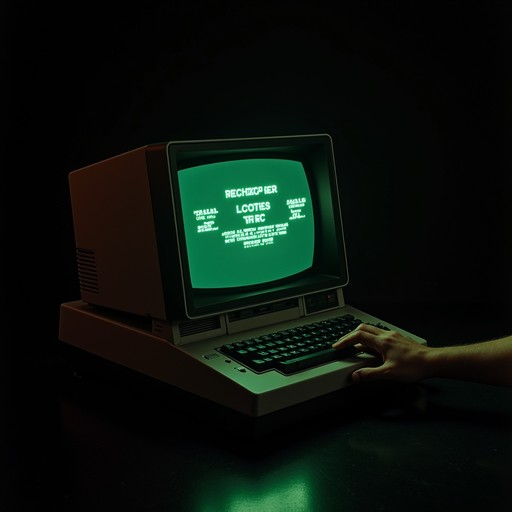
Cultural Meaning of the Cursor
Culturally, the terminal has always symbolized mastery and subculture—a marker of hacker identity. Terminal 4.0 softens that image. It welcomes designers, data scientists, writers, and students into a shared linguistic space where commands feel less like barriers and more like invitations.
The cursor blinking is no longer intimidating; it is patient.
Why Terminal 4.0 Matters Now
Remote work, cloud infrastructure, and open-source collaboration have reshaped how software is built. Terminal 4.0 thrives here—portable, scriptable, reproducible. It fits the ethos of modern engineering: transparency over gloss, control over automation.
A Brief Comparison That Explains Everything
| Era | Terminal Character | Cultural Role |
| Early Computing | Mechanical, remote | Institutional power |
| Personal Computing | Textual, precise | Expert tool |
| Terminal 4.0 | Intelligent, adaptive | Collaborative interface |
An Expert Moment
I spoke with a senior systems engineer in a quiet co-working space, coffee cooling beside a laptop humming softly.
Q: Why does the terminal keep surviving?
A: “Because it scales with intelligence. GUIs age. Language adapts.”
Q: Is Terminal 4.0 about AI replacing skill?
A: “No. It amplifies intent. You still need to know what to ask.”
Q: Emotional connection—is that real?
A: “Absolutely. The terminal is where I think clearly.”
FAQs
Is Terminal 4.0 a specific product?
No—it’s a conceptual shift describing modern, intelligent terminal environments.
Do beginners still need terminals?
More than ever. They teach systems thinking.
Is this tied to a specific operating system?
It spans Linux, macOS, Windows, and cloud platforms (Linux – Wikipedia).
Will GUIs disappear?
Unlikely. But terminals will remain the backbone.
Conclusion: The Human in the Machine
terminal 4.0 reminds us that progress is not always visual. Sometimes it is linguistic, subtle, almost invisible. In an age of endless interfaces, the terminal endures because it respects attention and rewards clarity. It is where humans still meet machines halfway—through words, intention, and trust. The cursor blinks, waiting.