
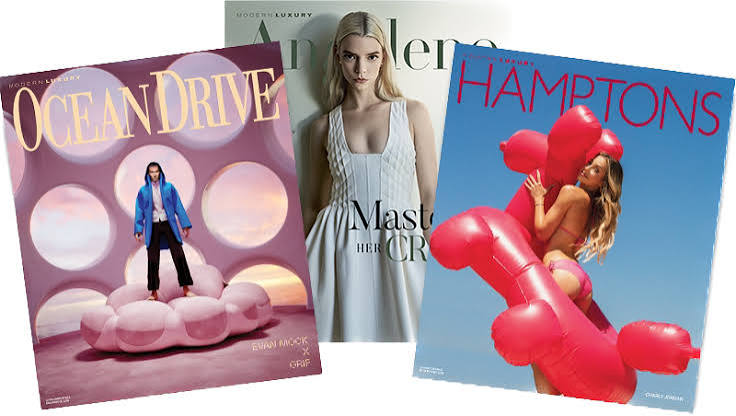
luxury magazines have long occupied a distinctive place between journalism, design, fashion, art, travel, and aspiration. Their pages do more than present expensive objects or glamorous destinations. Instead, they create a visual language for understanding taste, craftsmanship, heritage, and changing ideas of success. In an increasingly digital world, these publications remain surprisingly influential because they offer something that fast-moving social media often struggles to provide: time. A carefully edited feature invites readers to pause, observe, and consider why certain people, places, and ideas matter.
The Enduring Appeal of Luxury Magazines
The appeal of luxury magazines comes partly from their ability to transform ordinary browsing into a cultural experience. A watch becomes a story about engineering; a hotel becomes a conversation about architecture; and a designer becomes part of a larger discussion about creativity. Moreover, the physical magazine itself can feel like a designed object, with photography, typography, paper, and layout working together. Consequently, readers are not simply consuming information. They are entering a carefully constructed world where visual beauty and editorial storytelling support one another.
How Luxury Magazines Shape Ideas of Taste
For decades, luxury magazines have helped define what audiences consider sophisticated, desirable, or culturally significant. However, their influence is not limited to wealthy consumers. Fashion students, photographers, designers, collectors, and curious readers often study these publications for visual inspiration. As a result, editorial choices can influence wider creative culture. A particular architectural style, emerging artist, or fashion movement may first appear within a specialized publication before becoming familiar to a much broader audience. In this sense, magazines can act as cultural filters, identifying ideas before the mainstream notices them.
From Status Symbols to Stories About Craft
Modern luxury publishing increasingly understands that price alone does not make something interesting. Instead, craftsmanship, history, sustainability, innovation, and human skill can provide a deeper narrative. A handmade object may be valuable because of the knowledge passed between generations. Similarly, a fashion collection can become compelling when readers understand the designer’s creative process. Therefore, the strongest editorial work moves beyond the question of “How much does it cost?” and asks “Why was it made, and what does it represent?” That shift has made luxury coverage more thoughtful and culturally relevant.
The Visual Language Behind Luxury Magazines
Photography remains one of the defining features of luxury publishing. Yet successful editorial photography is rarely just about making something look beautiful. Lighting, composition, location, styling, and atmosphere work together to communicate personality and meaning. Likewise, typography and page design establish a publication’s identity before readers begin the first sentence. Because of this, luxury magazines often resemble art books as much as conventional periodicals. The result is a visual environment where every detail can contribute to the story, from a portrait’s expression to the quiet space surrounding a headline.
Luxury Magazines in the Digital Age
Digital media has changed the business and cultural environment surrounding magazines, but it has not eliminated the appetite for premium editorial experiences. Instead, publishers have expanded into websites, newsletters, video, podcasts, social platforms, and digital editions. Nevertheless, print retains an unusual emotional power. A physical issue can sit on a coffee table, become part of a collection, or be revisited years later. Meanwhile, digital platforms allow stories to travel instantly across borders. Thus, modern publishing increasingly depends on combining the permanence of print with the accessibility of digital storytelling.
A New Generation of Readers Wants More Than Glamour
Today’s readers are often interested in the people behind prestigious brands rather than simply the brands themselves. They want to know how designers think, how artisans work, where materials originate, and how creative businesses respond to social and environmental questions. Consequently, luxury journalism is becoming more personal and investigative. Interviews, studio visits, travel diaries, and behind-the-scenes stories can create intimacy that conventional advertising cannot reproduce. This development also gives magazines an opportunity to make luxury feel less distant by connecting beautiful objects with the real human effort behind them.
The Changing Meaning of Luxury
Perhaps the most important cultural change is the definition of luxury itself. In earlier eras, luxury was frequently associated with rarity, wealth, and visible status. Today, however, the concept can include privacy, time, craftsmanship, authenticity, wellness, cultural knowledge, and meaningful experiences. A quiet journey may feel more valuable than an extravagant purchase. A handmade object may matter because it lasts for decades. Therefore, luxury magazines increasingly have the opportunity to document a broader cultural conversation about what people genuinely value rather than simply celebrating consumption.
Why Luxury Magazines Still Matter
At their best, luxury magazines provide a space where commerce and culture can meet without becoming indistinguishable. Advertising may support the publication, but strong editorial work gives readers reasons to stay beyond individual products. Furthermore, these publications preserve visual and cultural moments that might otherwise disappear into the rapid flow of online content. They document designers, artists, hotels, homes, traditions, and emerging ideas while giving them context. In that role, a magazine becomes more than a shopping guide. It becomes an archive of how a particular generation understands beauty and aspiration.
The Future of Luxury Publishing
The future will probably belong to publishers that understand both exclusivity and openness. Readers still appreciate beautiful objects and exceptional experiences, but they increasingly expect substance behind the image. Accordingly, future editorial success may depend on stronger storytelling, responsible reporting, distinctive photography, and a willingness to explore complicated questions about wealth, sustainability, identity, and creativity. Print may become more selective, while digital storytelling becomes more interactive. Yet the central principle will remain familiar: people return to excellent publishing because it helps them see the world differently.
Conclusion: Beyond the Gloss
The lasting significance of luxury magazines is not simply their celebration of beautiful things. Their deeper role is to interpret the culture surrounding those things. They connect objects with makers, places with histories, and personal taste with broader social change. Moreover, they remind readers that luxury can involve attention, patience, imagination, and craftsmanship as much as money. In a media landscape built around speed, that slower approach has unusual value. The finest publications therefore remain relevant not because they sell a fantasy, but because they tell compelling stories about what people choose to value—and why.