
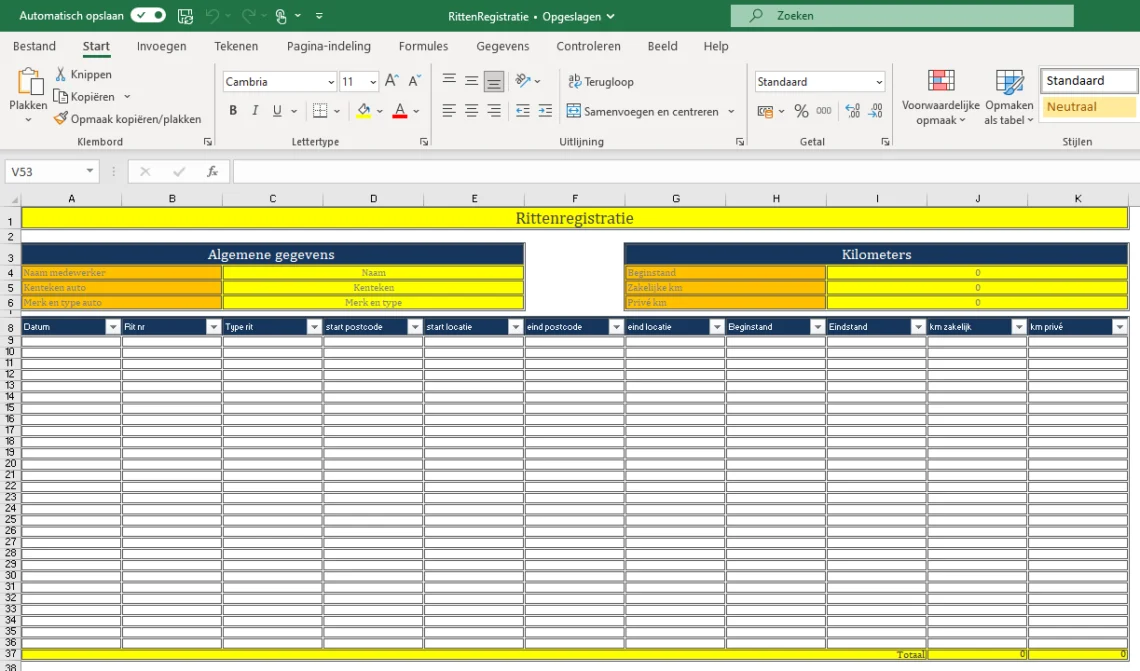
A leather-bound logboek lay open on the captain’s desk, its pages worn by wind, salt, and decades of voyages, each line tracing the heartbeat of the sea and the rhythm of human curiosity. The lantern’s glow flickered against the creaking timbers as the wind whispered across the waves, threading salt into the pages of a leather‑bound book resting on a captain’s desk. Pens scratched, tides turned, and day after day, lines of ink mapped not just coordinates and weather, but the very rhythm of life at sea. This humble vessel — the logboek — was more than a record. It was a repository of human curiosity, fear, triumph, and tradition.
In an era dominated by GPS and digital dashboards, the logboek stands as a bridge between centuries — a tactile reminder of the age when sailors measured their lives in knots, latitude, longitude, and stories written in the margins. Its pages embody cultural memory, scientific inquiry, and the poetry of voyages that charted unknown waters. What began as practical necessity evolved into ritual, history, and chronicle — a testament to seafaring life that continues to shape how we understand movement, memory, and the very notion of journeying across the vast blue world we inhabit (https://en.wikipedia.org/wiki/Logbook_%28nautical%29).
Origins and History
The word logboek — Dutch in origin — derives from the early nautical practice of measuring a ship’s progress using a chip log, a weighted piece of wood trailed behind a vessel on a line marked with knots to measure speed (https://en.wikipedia.org/wiki/Chip_log). As sailors counted the knots that passed through their hands over a measured time, they would record this data alongside wind direction, weather, and position — giving rise to the term “logbook” itself (https://www.nps.gov/subjects/islandofthebluedolphins/upload/Lesson-Plan-Alert-Logbook-2024.pdf).
In the Age of Sail that followed, voyages across oceans became prolonged experiments in endurance and observation. By the 17th and 18th centuries, keeping detailed records was not only prudent — it became a legal and navigational necessity. Captains, mates, and navigators transcribed daily entries reflecting course, speed, weather, crew health, and encounters with land or strange phenomena (https://archivesfoundation.org/digital_weather/logbooks/).
Maritime powers such as the Netherlands, Britain, Spain, and Portugal established rigorous standards for logbooks as part of their naval administration, reflecting the importance of these records for navigation, commerce, and international boundaries. Over centuries, the logboek evolved from a practical ledger of movements into a cultural artifact — a window into countless lives spent on the ocean’s unpredictable surface.
Modern Significance
Even in the digital age, the logbook persists. Modern vessels — commercial cargo ships, naval fleets, and research vessels — maintain both paper and electronic logbooks, preserving a practice that continues to be legally mandated and operationally crucial. Electronic logbooks now integrate satellite data, radar inputs, and automated weather feeds, yet the fundamental role of recording a vessel’s daily narrative endures (https://www.boote-magazin.de/en/boat-knowledge/beginner/logbook-management-compulsory-or-not-how-to-do-it-right).
Beyond professional maritime use, enthusiasts of sailing, cruising, and historical navigation cherish physical logboeken. These often contain handwritten reflections, sketches, and marginalia that elevate them from mere technical records to intimate chronicles of life on the sea. Some scholars even study logbooks to understand historical weather patterns and human responses to extreme environments.
Geographic Context: Where the Logboek Flourishes
The logboek tradition remains especially vibrant in regions with strong maritime legacies — where waterways define culture, economics, and identity. In northern Europe, coastal communities in the Netherlands, Scandinavia, and the British Isles maintain rich logbook traditions tied to centuries of seafaring and naval exploration. Across the Atlantic, New England’s sailing culture and commercial fishing fleets rely on detailed logs for operational safety and historical documentation.
In the Mediterranean, where trade and navigation have thrived since antiquity, logbooks chart voyages among islands, straits, and bustling ports — a living testament to centuries of human movement across water. Even in the Pacific, where island nations have navigated by stars for millennia, the logboek has fused with traditional navigation lore, grounding ancient practice in modern recording.
Table 1 – Popular Regions and Their Signatures
| Region / Waterway | Defining Features | Experience Type |
| North Sea & Dutch Coasts | Historical trade, naval exploration | Commercial & historical log records |
| Scandinavian Fjords | Coastal navigation, research expeditions | Detailed environmental observations |
| New England (USA) | Fishing, sailing, maritime heritage | Recreational & traditional log use |
| Mediterranean Sea | Inter‑island trade, ancient navigation routes | Hybrid cultural & tourism log practices |
Styles and Variations
Logboeken vary immensely by purpose and tradition:
- Official Ship Logs: Standardized entries about navigation, weather, crew, and incidents, often mandated by maritime law (https://nauticalknowhow.mysailingcourse.com/glossary/logbook/).
- Cruiser Logs: Used by pleasure sailors, often combining technical navigation details with personal narrative and reflection.
- Research Vessel Logs: Scientific in nature, meticulously documenting weather, oceanographic data, and experimental observations.
- Historical Journals: Antique logs copied by scholars or displayed in museums, embodying both navigational practice and cultural history.
Despite differing styles, all logboeken share a common thread: they are chronological narratives capturing human interactions with movement across water and time.
Cultural and Environmental Impact
Logboeken are more than technical logs; they are cultural artifacts that reveal how societies interact with the marine world. Naval logbooks of the 18th and 19th centuries — with detailed accounts of storms, trade winds, and encounters with new lands — contributed significantly to our understanding of global geography and climate patterns (https://archivesfoundation.org/digital_weather/logbooks/).
Modern logbooks continue to provide environmental scientists with historical climate data, especially for pre‑satellite era weather analysis. Librarians and historians mine these records to reconstruct past sea conditions and social patterns among maritime communities.
In many cultures, logbooks have also influenced storytelling and literature. The practice of recording voyages and experiences informed early forms of travel writing and contributed to literary genres that merged technical detail with personal insight
Practical Preparation: How to Experience Keeping a Logboek
Whether you are a cruiser, student navigator, or aspiring historian, learning to maintain a logboek requires awareness of both tradition and practicality.
Seasonal Tips & Essentials:
- Tools: A waterproof notebook, quality pens, navigation tools, and, if desired, electronic backups.
- Observations: Record position, weather, sea state, wind direction, speed (in knots), and any notable events.
- Timing: Make entries at regular intervals — especially at noon — to maintain consistency.
- Reflection: Add personal insights or observations that bring depth to otherwise technical entries.
- Safety: Err on the side of detailed documentation — accurate logs can inform response decisions during emergencies.
Despite the prevalence of electronic systems, mastering the traditional logboek enriches the experience of navigation and connects you with maritime heritage.
Global Comparison: Logboek and Kindred Practices
Table 2 – Comparing Logboek to Global Record Traditions
| Feature | Maritime Logboek (Sea) | Aviation Logbook | Scientific Field Journal |
| Mood | Rhythmic, observational | Technical, regulated | Analytical, exploratory |
| Common Tools/Boats | Ships, yachts, research vessels | Aircraft, simulators | Field instruments |
| Cultural Focus | Navigation, survival, memory | Safety, certification | Discovery, experimentation |
| Main Appeal | Tradition & story | Precision & compliance | Insight & data integrity |
Expert Insights: A Logboek Conversation
Location: The aft deck of a vintage schooner, North Sea twilight — gulls cry in the distance, salt crisp in the air.
Expert: Captain Ingrid van der Meer — historian, mariner, and logboek keeper.
Q1: What does a logboek mean to you as a captain?
A: “It’s a living document — a reflection of what we see, feel, and navigate. Every line is a decision and a memory; it’s as important as the compass itself.”
Q2: Has the role of the logboek changed with digital technology?
A: “Certainly. Today, electronic systems make entries faster and more precise, but the traditional logboek remains invaluable. It’s personal, historical, and sometimes legally indispensable.”
Q3: Why do people still keep physical logbooks?
A: “Because there’s a rhythm to it — the act of writing ties the experience to human consciousness. You remember not just the course, but the emotion of the journey.”
Q4: What advice would you give to someone starting their first logboek?
A: “Be consistent. Record the basics, but don’t be afraid to add context — wind, waves, and whimsy. Logs are technical, but they are also human.”
FAQs
1. What exactly is a logbook?
A logboek is a systematic record documenting a vessel’s daily activities, navigational data, weather conditions, and notable events during a voyage (https://en.wikipedia.org/wiki/Logbook).
2. Why keep a logbook in the digital age?
Even with electronic systems, logbooks serve as legal records, historical archives, and backups in the event of system failures (https://www.boote-magazin.de/en/boat-knowledge/beginner/logbook-management-compulsory-or-not-how-to-do-it-right).
3. Can logbooks be used for scientific research?
Yes — historical logbooks are valuable for reconstructing weather patterns and informing climate studies due to their detailed environmental notes (https://archivesfoundation.org/digital_weather/logbooks/).
4. Is a logbook legally required?
Depending on the vessel type and jurisdiction, maintaining a logbook is often legally mandated for safety and regulatory compliance (https://nauticalknowhow.mysailingcourse.com/glossary/logbook/).
5. What should one include in a basic logbook entry?
Include date, time, position, course, speed (knots), weather conditions, and noteworthy events or decisions.
Takeaways
The logboek is more than ink on paper or bytes on a screen — it is a testament to human curiosity, resilience, and the age‑old endeavor of navigating uncertainty. It connects sailors past and present, shores near and far, and reminds us that lives lived in motion can be recorded, shared, and understood across generations.
Conclusion
In the echo of the sea’s call and the turn of a page, the logboek endures. It is not merely a record — it is a tradition, a cultural artifact, and a chronicle of human experience when pushed against the immensity of nature. As navigation technology advances, the logboek persists — not as a relic, but as a living narrative that continues to shape how we map our world, remember our voyages, and define the essence of journey itself.