
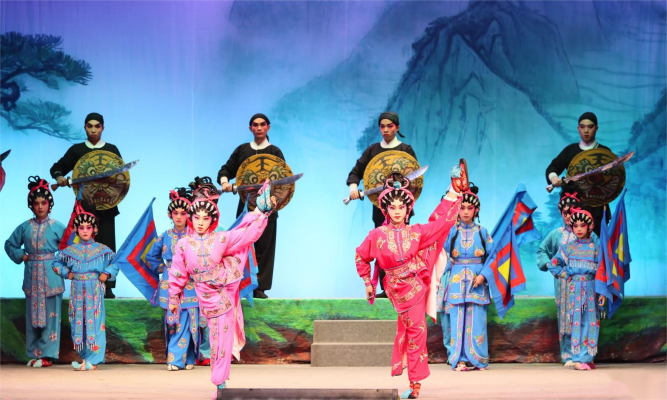
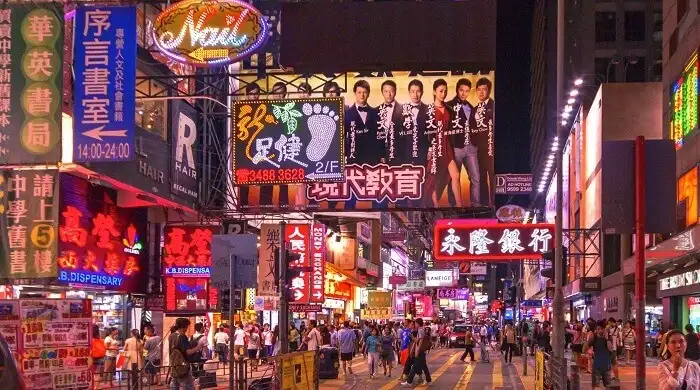
De cantón is not just a name or a tradition—it is a living expression of culture, memory, and everyday life shaped by centuries of history and human connection. On humid summer evenings in southern China, when the Pearl River exhales its slow breath and neon light trembles across water, de cantón is not spoken aloud—it is felt. It lingers in the clatter of porcelain bowls in open-air dai pai dong stalls, in the sing-song cadence of Cantonese opera drifting from a neighborhood theater, in the quiet discipline of a chef folding dumpling skins by hand. De cantón is not a single object or practice; it is an ethos. A way of being shaped by geography, trade, language, and memory.
To understand de cantón is to understand how Canton—modern-day Guangdong—learned to live with the world without losing itself. It is a story of ports and people, exile and endurance, refinement and resilience. Anthropologists at institutions such as the Chinese University of Hong Kong have long argued that Cantonese culture developed a distinct identity precisely because of its exposure to global trade routes and its relative distance from imperial centers like Beijing. This article traces de cantón as a living cultural system—rooted in history, expressed through daily life, and still evolving in the modern world.
Where De Cantón Begins: Geography, Trade, and Cultural Separation
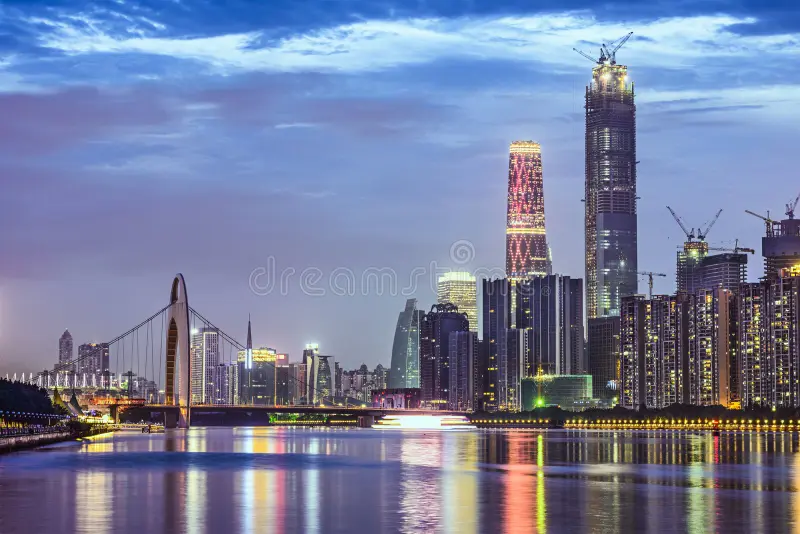
Canton, historically known as Guangzhou, occupies a strategic position at the mouth of the Pearl River Delta—one of the world’s most productive estuarine regions. For over a millennium, this geography made Canton China’s most consistent window to the outside world. Arab traders, Portuguese merchants, British shipping companies—all passed through its ports long before Shanghai or Tianjin rose to prominence.
This openness shaped de cantón into something fundamentally different from northern Han traditions. While Confucian bureaucracy dominated imperial capitals, Cantonese society leaned toward mercantile pragmatism. Historians from Harvard’s Fairbank Center note that southern China developed a “commercial cosmopolitanism” earlier than most other regions.
Language played a crucial role. Cantonese (Yue Chinese), unlike Mandarin, preserved tonal complexity and phonetics closer to Middle Chinese. This linguistic continuity reinforced cultural independence, allowing de cantón to remain internally coherent even as external influences poured in.
De Cantón in Daily Life: Food, Sound, and Ritual
Nowhere is de cantón more tangible than in food. Cantonese cuisine—often mislabeled globally as “Chinese food”—is built on restraint rather than excess. Its philosophy values freshness, seasonality, and minimal interference with natural flavors, principles documented by culinary historians at the Oxford Symposium on Food and Cookery.
Steaming, quick stir-frying, and poaching dominate the technique repertoire. Even dim sum, now globalized from Hong Kong to New York, originated as a communal ritual linked to tea culture along southern trade routes. To practice de cantón at the table is to respect timing, balance, and shared presence.
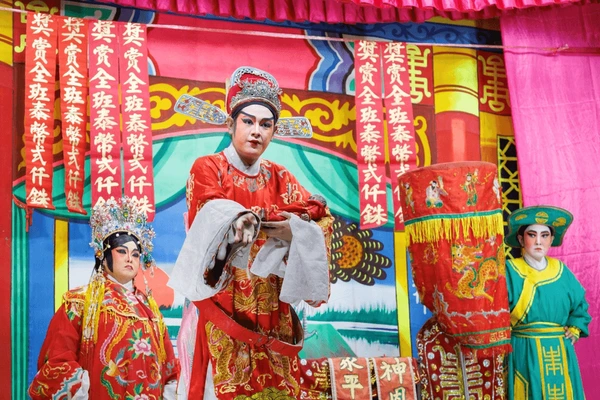
Sound is equally central. Cantonese opera (Yue opera) blends music, martial movement, and symbolic gesture—recognized by UNESCO as Intangible Cultural Heritage. Its exaggerated costumes and vocal techniques preserve moral narratives and local history, functioning as both entertainment and cultural archive.
Regions Where De Cantón Flourishes Today
Although globalization has dispersed Cantonese communities worldwide, de cantón remains geographically anchored.
Table 1 – Popular Regions and Their Signatures
| Region / Area | Defining Features | Experience Type |
| Guangzhou (China) | Historic port city, culinary capital | Immersive, traditional |
| Hong Kong | Fusion of East-West Cantonese identity | Modern, cosmopolitan |
| Macau | Lusophone-Cantonese blend | Hybrid cultural |
| Foshan | Martial arts and folk traditions | Heritage-focused |
| Vancouver (Canada) | Cantonese diaspora hub | Transnational continuation |
Diaspora cities like Vancouver and San Francisco preserved de cantón during periods when mainland China underwent cultural disruption, particularly during the Cultural Revolution. Sociologists note that immigrant enclaves often become “time capsules,” conserving practices lost or transformed in their places of origin.
Tools, Styles, and Variations Within De Cantón
Unlike rigid traditions, de cantón adapts. In cooking, it ranges from ancestral clay-pot techniques to modern molecular gastronomy experiments in Hong Kong’s Michelin-starred kitchens. In craftsmanship, traditional Canton porcelain evolved into export ware for European markets as early as the 17th century.
Martial arts also form a significant strand. Wing Chun, famously associated with Foshan and later Bruce Lee, emphasizes efficiency and adaptability—values mirrored across Cantonese culture.
Cultural and Environmental Impact
De cantón is inseparable from its environment. The Pearl River Delta’s wetlands influenced fishing techniques, diet, and settlement patterns for centuries. However, rapid urbanization has placed ecological strain on these systems. Environmental researchers from the World Resources Institute warn that delta regions face rising flood risks due to climate change and industrialization.
Yet de cantón responds through adaptation rather than resistance. Floating markets gave way to urban wet markets; ancestral clan halls now coexist with skyscrapers. Cultural continuity, here, is not stasis—it is negotiated survival.
How to Experience De Cantón Today
For visitors or cultural explorers, engaging with de cantón requires patience.
- Timing: Early mornings for dim sum; evenings for opera.
- Seasonality: Lunar New Year and Mid-Autumn Festival reveal ritual depth.
- Essentials: Learn basic Cantonese phrases—language opens doors culture cannot.
- Safety & Respect: Food markets and temples demand etiquette; photography is not always welcomed.
Travel scholars emphasize slow tourism—staying longer, observing more—as the most ethical way to encounter living cultures.
De Cantón in Global Context
Table 2 – Comparing De Cantón to Global Traditions
| Feature | De Cantón | Japanese Washoku | Italian Cucina |
| Mood | Communal, restrained | Seasonal, minimalist | Expressive, regional |
| Common Tools | Wok, steamer | Knife, rice pot | Pasta tools |
| Cultural Focus | Balance and freshness | Nature harmony | Heritage and family |
| Main Appeal | Subtle depth | Purity of ingredients | Emotional richness |
Such comparisons, explored in cross-cultural studies by UNESCO and Slow Food International, reveal how regional foodways encode philosophy.
Voices From Within: An Evening Interview in Foshan
The interview takes place in a quiet teahouse near the ancestral halls of Foshan. Rain taps lightly against tiled roofs. Master Li Wen, a fourth-generation Cantonese chef and cultural educator, pours tea deliberately.
Q: What does de cantón mean to you personally?
Li: It means knowing when to stop. Whether cooking or speaking, restraint is wisdom.
Q: Has globalization diluted Cantonese culture?
Li: It tests us. But testing strengthens structure—like bamboo in wind.
Q: Why is food so central to de cantón?
Li: Because eating is daily. Culture survives through repetition.
Q: What worries you most about the future?
Li: Forgetting language. When words fade, meaning follows.
Q: What gives you hope?
Li: Young people returning—to learn, not to imitate, but to continue.
Anthropologists often emphasize such intergenerational transmission as the core of intangible heritage survival.
Key Takeaways
- De cantón is a cultural system, not a single tradition.
- Geography and trade shaped its openness and resilience.
- Food, language, and performance anchor identity.
- Adaptation—not purity—ensures survival.
- Diaspora communities play a vital preservation role.
FAQs
Is de cantón the same as Cantonese cuisine?
No. Cuisine is one expression; de cantón includes language, ethics, performance, and lifestyle.
Where can newcomers best experience it authentically?
Guangzhou and Foshan offer traditional depth; Hong Kong provides modern interpretation.
Is Cantonese culture declining?
It is transforming. UNESCO classifies many elements as endangered but active.
Do you need to speak Cantonese to understand it?
Language deepens access, but observation and participation matter equally.
Conclusion: Why De Cantón Still Matters
In an age of homogenized cities and algorithmic taste, de cantón insists on locality. It reminds us that culture is not content—it is continuity. Its future will not be preserved in museums alone, but in kitchens, conversations, and choices made every day.
To encounter de cantón is to witness how a society learns to change without forgetting. And in that balance lies its quiet, enduring power.